Ketamine-Assisted Therapy
When depression doesn’t budge, there are next steps
The recent excitement around Ketamine-Assisted Psychotherapy (KAP) is understandable, especially given the promising results in treating conditions like depression, anxiety, and PTSD. Many people are experiencing relief in ways they haven't with traditional therapies, and it's encouraging to see new options available in the mental health world. NuvoMind offers physician-led ketamine-assisted therapy for appropriate adults with difficult-to-treat depression. Care includes evaluation, preparation, clinician-supervised dosing, supportive psychotherapy, and close follow-up. When clinically indicated, FDA-approved intranasal esketamine (SPRAVATO®) may be used under REMS supervision. We avoid promises—but many people do feel meaningful relief.
Individual results vary; no outcomes are guaranteed.
Who it may help
Adults with major depressive disorder that has not responded to several treatments; those limited by side effects or interactions; and individuals willing to participate in preparation and integration therapy. Final suitability depends on medical and psychiatric history, medications, and clinician judgment.
How treatment works
Each session can vary, but most follow this general structure:
-
Psychiatric Evaluation and Approval for KAP. A thorough psychiatric evaluation is essential to assess whether KAP is the most appropriate and beneficial intervention for you. This process is collaborative, allowing us to work with you to determine the optimal treatment arc, including the number and frequency of ketamine sessions, integration sessions, and any specific dosing recommendations tailored to your needs. During this intake, your provider will review your medical history, discuss medication history, evaluate previous treatment, gather social history and any substance use history and get a baseline of your vitals.
-
Preparation Session. The preparation session is a vital part of Ketamine-Assisted Psychotherapy (KAP), designed to lay a strong foundation for a meaningful and therapeutic experience. During this session, you’ll work closely with your therapist to establish a sense of safety, clarify goals, and prepare both mentally and physically for the unique aspects of a ketamine session.
-
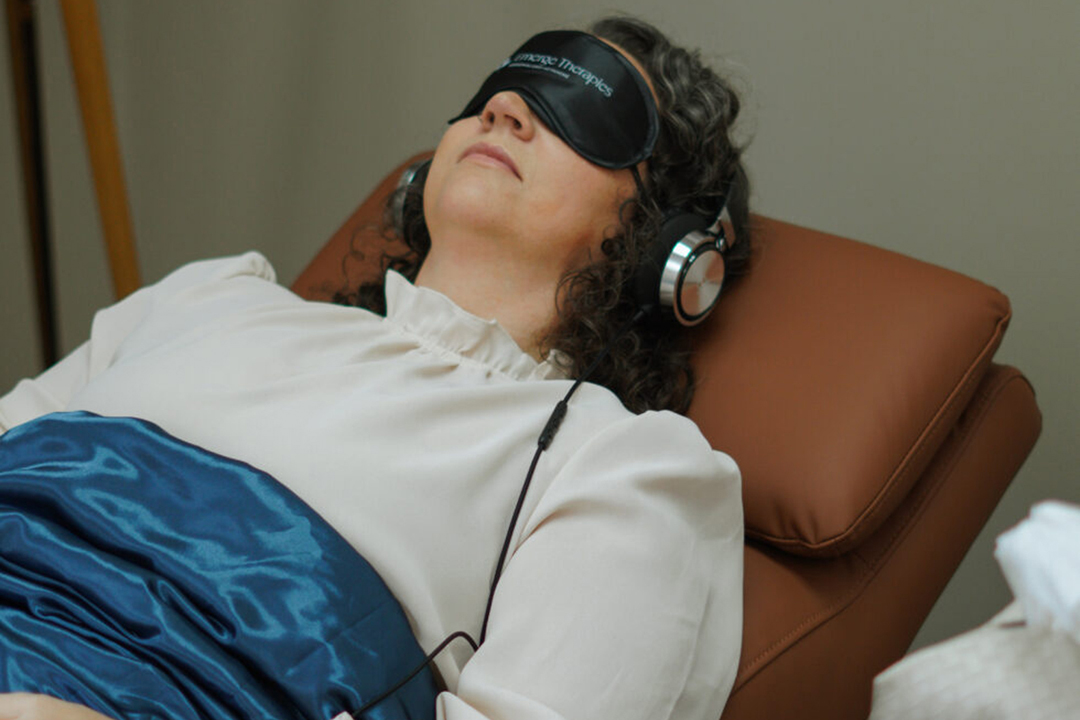
Ketamine Session. Clients are given a low-dose ketamine, usually through an IV or IM (Intramuscular) injection in a safe, comfortable setting. Guided by your therapist, this session combines the physiological effects of ketamine with a supportive therapeutic environment to facilitate emotional insight, trauma processing, or shifts in perspective. The session typically lasts 4 hours.
-
Integration Session. After the effects wear off, clients work with their therapist to reflect on the experience, process any emotions or insights, and integrate these learnings into their day-to-day lives. Integration is key to translating the experience into lasting change.
How Many Session Are neded?
The number of sessions varies depending on the individual and the condition being treated. Some clients may find relief after only a few sessions, while others may need a more extended course of treatment. Generally, KAP involves an initial series of 4-6 sessions, with follow-ups as needed. Integration sessions without ketamine are often recommended as part of ongoing therapy to maintain and build upon gains made during ketamine sessions.
Safety notes
Common short-term effects include transient blood pressure/heart rate increases, dissociation, dizziness, and fatigue—typically resolving the same day. Not appropriate for everyone (for example, uncontrolled hypertension, certain cardiac conditions, active misuse without stabilization, some psychotic/manic states). Do not drive the day of treatment; arrange a safe ride. We coordinate with your other providers (with consent).
Study highlights (last ~15–25 years)
A selection of peer‑reviewed findings, summarized for patients. Details below in References.
- Berman 2000: placebo‑controlled trial found clinically meaningful improvement within 72 hours after a single low‑dose IV ketamine infusion.
- Zarate 2006: randomized trial showed improvement within ~110 minutes; large effect at 24h, still present by day 7.
- Murrough 2013: vs midazolam control, 64% vs 28% response at 24h; greater MADRS reduction at 24h.
- Canuso 2018: in MDD with acute suicidal ideation/behavior, adding intranasal esketamine to standard care produced rapid symptom reduction (not established to prevent suicide).
- TRANSFORM‑2 (2018): esketamine + oral antidepressant showed greater MADRS improvement at day 28 vs antidepressant + placebo (difference ~4.4 points).
- Popova 2019: flexibly dosed esketamine + new oral antidepressant improved depressive symptoms in TRD vs control.
- SUSTAIN‑1 (Daly 2019): among responders/remitters, continuing esketamine cut relapse risk by ~51%–70% vs stopping.
- Phillips 2019: repeated IV ketamine infusions prolonged benefit; maintenance infusions helped sustain response.
- Reviews 2021–2023: consistent evidence of rapid‑acting antidepressant effects in TRD, often within hours to days.
- Esketamine monotherapy RCT 2025: double‑blind trial reported MADRS improvement with esketamine vs placebo at day 28 (safety monitored).